
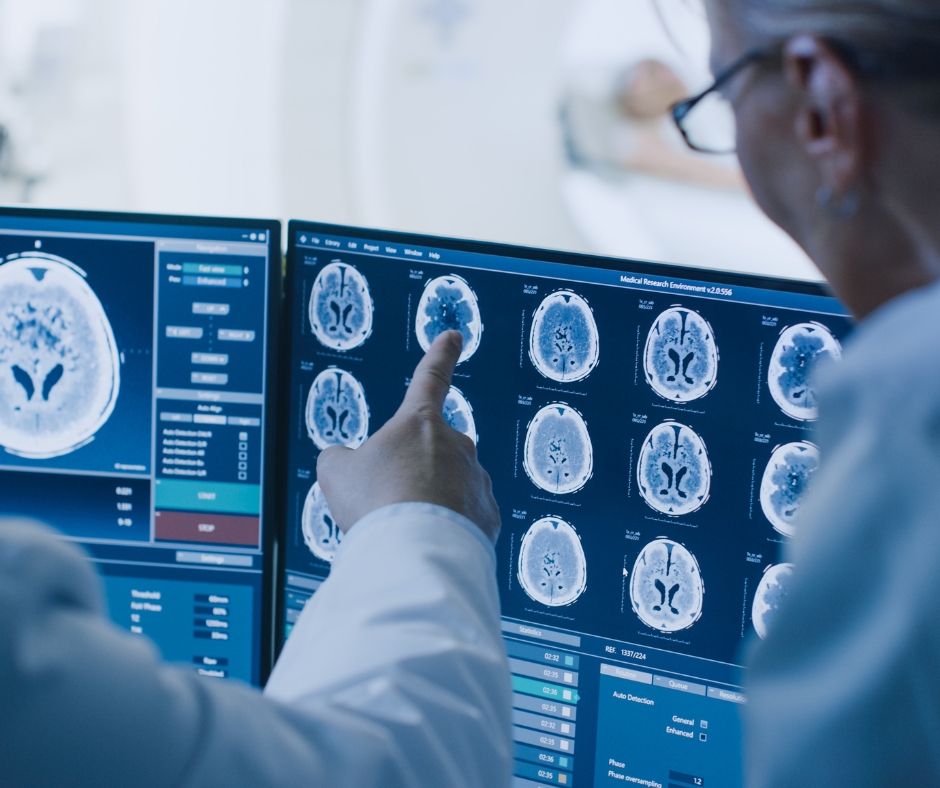
Preparing for a computed tomography (CT) scan is a straightforward process, but following specific guidelines ensures clear images and accurate diagnostic results. A CT scan uses specialized X-ray equipment and computer processing to generate detailed cross-sectional images of your bones, blood vessels, and soft tissues. Proper preparation minimises delays and helps radiographers tailor the imaging protocol to your specific clinical requirements.
Preparing Before Your Scan Appointment
Most CT examinations require minimal advance preparation, but requirements vary depending on the body area being examined. When booking your appointment, inform the clinic staff if you are pregnant or think you might be pregnant, as alternative non-ionising imaging techniques such as ultrasound or MRI may be considered.
Medication management is another critical step. You should continue taking most prescribed medications as usual with a small sip of water, unless instructed otherwise by your doctor. However, if you have diabetes and take metformin, you may need to pause this medication on the day of the scan if an intravenous contrast dye is required. Always confirm medication guidelines with your referring doctor or imaging center beforehand.
- Fasting and Eating Guidelines: Fasting requirements depend entirely on the type of scan you are receiving:
- Non-contrast CT scans: Scans of the head, chest, spine, or limbs usually require no fasting. You can eat and drink normally before your arrival.
- Abdominal and pelvic CT scans: These examinations typically require fasting for two to four hours prior to the procedure to ensure clear visualization of the gastrointestinal tract.
- Contrast-enhanced CT scans: If your procedure involves intravenous contrast, fasting for two to four hours helps reduce the risk of mild nausea that can occasionally occur during contrast administration.
Staying well-hydrated by drinking water prior to your appointment is generally recommended, as good hydration supports kidney function, which assists in processing intravenous contrast material.
Attire and Personal Items
On the day of your scan, wear loose, comfortable clothing without metal fasteners, zips, or snaps. Metal objects distort X-ray beams and create visual artifacts on the final images, which can obscure critical diagnostic details.
Before entering the scanning room, you will be asked to remove items such as jewelry, hairpins, eyeglasses, hearing aids, and removable dental work from the area being scanned. Many clinics provide a secure gown to wear during the procedure to eliminate interference from metallic clothing elements.
What Happens During the Procedure
During the scan, you will lie on a motorised table that slides into the center of a doughnut-shaped CT scanner. The radiographer operates the equipment from an adjacent control room while maintaining continuous visual and audio contact through an intercom system.
As the scanner operates, you will hear soft buzzing and clicking sounds. It is vital to lie completely still, as any movement can blur the images. For chest or abdominal scans, the technologist will ask you to hold your breath for a few seconds at specific intervals to prevent motion artifacts caused by respiration. The entire scanning process usually takes between 5 and 10 minutes.
Managing Intravenous Contrast Material
If your doctor orders a scan with contrast material, an intravenous (IV) line will be placed in your arm or hand before the procedure. Contrast agents contain iodine, which highlights blood vessels, organs, and tissue abnormalities on the images.
As the contrast agent enters your bloodstream, you may experience a warm flushing sensation throughout your body and a temporary metallic taste in your mouth. These sensations are harmless and subside within a minute or two. If you have a history of kidney disease, severe allergies, or prior reactions to contrast media, notify the clinic prior to your appointment so appropriate precautions can be implemented.
Key Takeaways
- Fasting requirements vary by scan type, with abdominal and contrast-enhanced scans usually requiring two to four hours without food.
- Wear comfortable clothing free of metal zips, buttons, or snaps, and remove all jewelry prior to your examination.
- Inform clinic staff if you are pregnant, have kidney conditions, or take diabetes medications like metformin prior to your scan.
- Staying hydrated before and after the procedure helps your body naturally process and eliminate IV contrast dye.
- Remaining completely still and following brief breath-hold instructions ensures the highest image clarity for accurate diagnosis.